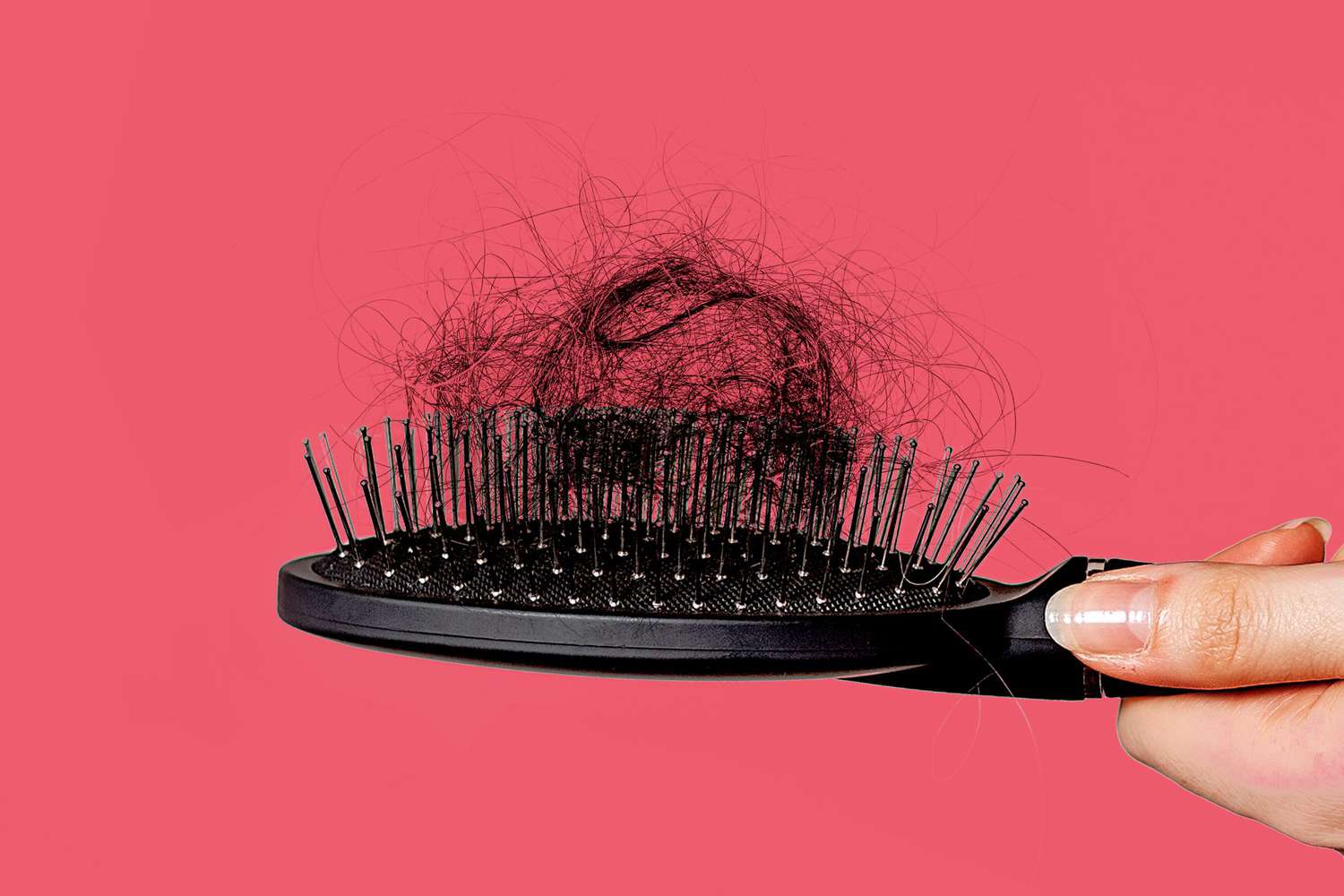
Hair loss is a prevalent problem that may affect people of all ages and genders. It can start as early as twenty-one years in men when they experience gradual hair loss. On the other hand, in women, it can start at around forty years. While we lose some of our hair due to the natural shedding of 50 to 100 strands daily in the hair development cycle, experiencing abrupt or severe hair loss may cause alarm, often suggesting an underlying problem. In such cases, you need to visit a hair transplant specialist.
There are many more instances when you can also see the specialist in Turkey and this post will help you know more about this, highlighting when you can determine whether it’s time to see a hair transplant specialist.
Sudden or Excessive Hair Loss
You need to see a hair transplant specialist when you suffer hair loss suddenly. Additionally, knowing you are experiencing excessive hair loss, especially while combing or washing it, may cause alarm. Sudden or heavy shedding is one of the most visible indications of a potential hair loss problem. Average hair loss runs between 50 and 100 hairs per day, but anything more than that may cause worry.
Stress, hormonal changes, dietary deficits, and certain drugs can all cause sudden hair loss. Consultation with a hair transplant specialist can assist in determining the main reason and developing a suitable treatment plan suited to your specific requirements.
Receding Hairline or Bald Patches
A receding hairline or the emergence of bald patches is another strong indication that something is wrong with your hair’s health. Hair loss patterns differ, but a receding hairline or patchy bald areas might be symptoms of illnesses such as male or female pattern baldness, alopecia areata, or other underlying health concerns.
If you observe changes in your hairline or the development of bald patches, obtaining expert guidance from a hair transplant specialist can help you pinpoint the reason and lead you toward appropriate treatment choices.
Treatment Planning
It is essential to consult with a hair transplant specialist if you are seeking a treatment plan for hair loss. Ensure that you visit the best of the best and research the Best Hair Transplant Clinic In Turkey. It will help you know the best places to get quality services, especially when you are due for a hair transplant or are considering it.
Consulting a hair transplant specialist will help you know your safe treatment options and possible side effects. It is crucial to remember that early intervention frequently results in more favorable hair loss management outcomes. A hair transplant specialist can walk you through the many treatment choices, allowing you to make informed selections based on your objectives and preferences.
Experiencing Hair Thinning
Hair thinning is a valid reason for you to seek professional help. Because of its slow nature, you cannot notice it immediately; however, it may be noticeable with time, especially around the crown. Heredity, hormone imbalances, or age-related changes can cause it. Therefore, contact a hair transplant specialist if you notice steady hair thinning, especially around the crown or part line. They can complete an assessment to establish the reason for the thinning and offer appropriate measures to address the issue.
Persistent Symptoms
Hair loss symptoms that are consistent and chronic should not be disregarded. Itching, burning, or discomfort on the scalp may signal underlying diseases, such as infections or inflammatory illnesses. If you have chronic pain or changes in the texture of your scalp, it is critical to get expert help from a hair transplant specialist to diagnose and address the problem as soon as possible.
Visible Signs of Scalp Issues
Examining the state of your scalp might give helpful information about the health of your hair. If you notice dandruff, redness, scaling, or flaking, take caution and visit a hair loss and scalp specialist. These symptoms often indicate that an individual has an underlying scalp disorder that can lead to hair loss. A hair transplant specialist can assess the condition of your scalp, diagnose any current problems, and offer suitable therapies to create a healthy scalp environment and prevent additional hair loss.
Family History of Severe Hair Loss
Genetics is essential in determining a person’s vulnerability to hair loss. Visiting a hair transplant specialist because of your understanding that genetically, you have a family history of significant hair loss is essential. A hair transplant specialist can evaluate your family history and offer individualized advice on preventive measures or treatment choices based on your genetic profile. It will help you understand your genetic propensity to hair loss, which might help you anticipate impending hair loss and take preventative steps.
Conclusion
Hair loss can be emotionally draining, but knowing when to visit a hair transplant specialist is critical for efficiently managing the issue. You can work with a hair transplant professional to understand the underlying reason for your loss and explore relevant treatment options by detecting the signs and taking preventive actions. Remember that each person’s experience with hair loss is unique, and a tailored approach is essential for attaining the best outcomes. Consult a hair transplant specialist to start on the path to healthier, fuller hair.
Did you find this helpful? Check out our other helpful articles on our website.
Read Also
- Top Trends Shaping the Future of Mental Health Care
 Mental health care is moving fast to meet daily human needs. People want direct care that fits modern life. Clinics respond by creating flexible options that make healing easier to reach. Providers look past rigid habits to give people solid care. From smart tools to body wellness, these changes help people find relief when life… Read more: Top Trends Shaping the Future of Mental Health Care
 - Full-Arch Dental Tourism: Why UK Patients With Severe Bone Loss Are Looking AbroadDental implants have become one of the fastest-growing segments of private dentistry. Within that market, one patient group behaves very differently from the rest: people who have been told they do not have enough upper jawbone for conventional implants. For these patients, the choice is rarely between one clinic and another. It is between a… Read more: Full-Arch Dental Tourism: Why UK Patients With Severe Bone Loss Are Looking Abroad
- Levels of Mental Health Care and When to Seek SupportMental health care can range from occasional outpatient appointments to 24-hour hospital treatment. The appropriate level depends on safety, symptom severity, daily functioning, medical needs, available support, treatment history and personal preferences. A licensed clinician should assess these factors rather than relying on a symptom list alone. Need help now? In the United States, call… Read more: Levels of Mental Health Care and When to Seek Support
- How to Choose a Shilajit Brand Based on the ResearchIn a randomized trial published in the Journal of the International Society of Sports Nutrition in 2019, 63 active men took 250 mg of standardized shilajit, 500 mg, or a placebo every day for eight weeks, and the benefit for strength retention after a fatiguing workout appeared only at 500 mg. For anyone choosing a… Read more: How to Choose a Shilajit Brand Based on the Research
- How to Incorporate Relaxation into Your Busy ScheduleFinding balance when you have a packed daily agenda often feels out of reach. Between work duties, family obligations, and personal projects, personal rest usually gets pushed to the bottom of the list. Small, intentional shifts in daily habits can help restore calm without requiring hours of extra free time. Continue reading to discover everything… Read more: How to Incorporate Relaxation into Your Busy Schedule
- Red Light Therapy for Skin and Wellness: Meet Vital Red Light TherapyModern wellness is not always about complicated treatments or long routines. Many people are now looking for simple, convenient ways to support their skin, recovery, and overall wellness at home. One technology getting more attention is red light therapy. Red light therapy uses specific wavelengths of red and near-infrared light to support the body’s natural… Read more: Red Light Therapy for Skin and Wellness: Meet Vital Red Light Therapy
- Managing Shock Loss After a Hair Transplant: The Financial and Clinical Imperative of Post-Op CareIn the rapidly evolving landscape of private healthcare, executive leadership within cosmetic and restorative surgery clinics faces a dual challenge: maintaining strict clinical standards while maximizing patient lifetime value (LTV) and brand advocacy. As the global medical tourism and elective procedure markets expand, clinical outcome quality alone is no longer the sole differentiator for premium… Read more: Managing Shock Loss After a Hair Transplant: The Financial and Clinical Imperative of Post-Op Care
- Transform Your Skin Health: Premier Gluta IV Therapy in DubaiThis comprehensive guide explores how modern intravenous wellness treatments can help revitalize your complexion, boost immune function, and support overall cellular health. By incorporating modern IV therapy Dubai services into a routine health regimen, individuals can achieve direct nutrient absorption for optimal results. Selecting a customized gluta IV drip Dubai treatment provides targeted antioxidant defense,… Read more: Transform Your Skin Health: Premier Gluta IV Therapy in Dubai